Car Windows Do Not Filter Out UVA Rays

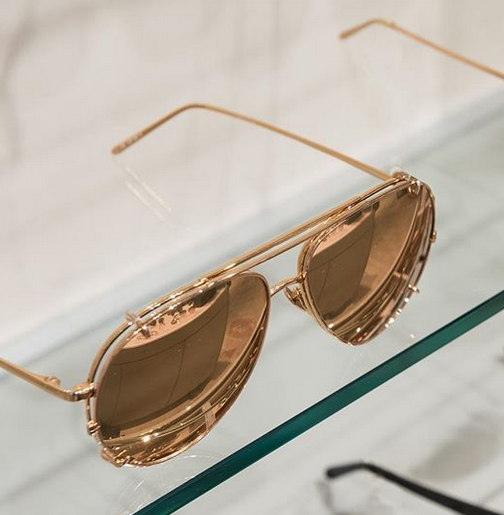
The Boston Globe (10/13, DeMarco) reports, “Car windows — and those in your home — are good at filtering out ultraviolet B rays, which cause sunburns. But car and home windows generally don’t filter out ultraviolet A rays, which penetrate deeper into the skin” and “can interfere with your body’s ability to protect against skin cancer,” explained dermatologist Paul Lizzul, MD, PhD, MPH, MBA, associate director of clinical research in dermatology at Tufts Medical Center. According to the American Academy of Dermatology’s website , sunscreen (AND SUNGLASSES) should be worn “on exposed areas whenever we go outside,” and that includes inside the car.

FDA Cracks Down On False LASIK Claims

HealthDay (9/30, Mann) reports, “The US Food and Drug Administration is once again cracking down on eye care professionals who make false safety claims and promises about the popular LASIK eye surgery.” In its Letter to Eye Care Professionals, which it issued this week, the FDA “is now giving eye doctors 90 days to get in line and update any advertising or promotional materials that make false claims. After this time, the agency will take regulatory action, said FDA spokeswoman Erica Jefferson.”

Questions to research when considering LASIK:

1. What are the risks of LASIK. (dry-eye, star/halo night vision, ability to properly heal after surgery)
2. Will LASIK make the need for eye glasses go away 100%? (in many cases no)
3. Will LASIK make the need for reading glasses come at an earlier age (in many cases yes)
4. Is there an age window to get LASIK?
5. Does my eyeball structure make me a good LASIK candidate?
6. Ask your surgeon if he/she has had LASIK performed on their own eyes.

Further reading can be found by clicking this FDA website: MedicalDevices/ProductsandMedicalProcedures/SurgeryandLifeSupport/LASIK

About Dry eye

Dry eye is one of the least understood ocular diseases and yet one of the most common complaints we hear from  patients.

Women are more frequently affected than men. Dry Eye Disease is often caused by hormonal changes due to aging, menopause, and other medical conditions or their treatments.

Your eyes need a constant layer of healthy, balanced tears called the “tear film” to stay nourished and protected. A change in the quality or the quantity of your tears can result in an un-balanced tear film.

Dry Eye Symptoms

Symptoms of Dry Eye Disease may include:

Stinging
Burning
Scratchy Sensation
Sensitivity to Light
Tearing
Tired Eyes
Contact Lens Discomfort
Blurred Vision

These dry eye disease symptoms often worsen at the end of the day or after visually focusing for a prolonged period on a nearby task.

Often dry eye symptoms are mistaken for allergies, climatic conditions or just “eyestrain”. While all of these may aggravate Dry Eye Disease, they are not the cause.

Dry Eye Causes

Environmental Causes:

Hot, dry and/or windy climates, high altitudes, excessive sun exposure, central heating, air conditioning, cigarette smoke, air pollution, air travel.

Refractive eye surgeries:

Dry eye is the most common complaint following LASIK. Your doctor should test your eyes prior to surgery to ensure the best outcome.

Contact Lens Wear:

Two million people a year give up on wearing contact lenses. 50% of these contact lens “dropouts” say its due to dryness or discomfort. If you have Dry Eye Disease, your doctor can prescribe a specific lens for your condition or prescribe treatment to allow you to wear your lenses more comfortably.

Low blink rate:

Blinking is critical in stimulating tear production, as well as spreading the tears across the eye’s surface. The three common culprits responsible for reducing your blink rate are computer use, reading, and watching TV. Sometimes just remembering to blink can improve how your eyes feel.

Medications:

It is important that your eye doctor know all of the medications that you take. Some medications known to aggravate dry eye disease are; allergy medications, decongestants, antidepressants, blood pressure medications, birth control pills, diuretics, and pain medications just to name a few.

Diseases:

Some diseases associated with dry eye disease are; Diabetes, Parkinson’s disease, Sjögren’s syndrome, Rheumatoid arthritis, Lupus, Lacrimal Gland Deficiency, Blepharitis, Stevens-Johnson syndrome, and Rosacea.

Hormonal deficiencies or changes:

Thyroid conditions, hormonal changes during menopause, decreased production of androgen, estrogen supplementation can all affect ocular health. Be sure to let your doctor know if you are taking hormone replacement therapy or have a thyroid condition.

Treatment

Many treatments for dry eyes are available without a prescription.  However, it’s wise to see an optometrists to evaluate the cause of the condition and to create the best treatment plan for you.

Treatments for dry eyes may include:

  • Changes in diet
  • Supplementation
  • Artificial Tears: There are many artificial tears available over the counter. Ask an Accredited Dry Eye Center which drop is best for your specific condition.
  • Ointments. If your eyes dry out while you sleep, you can use a thicker lubricant, such as an ointment, at night.
  • Plugs (temporary and permanent punctual occlusion). Sometimes it is necessary to close the ducts that drain tears out of the eye. Temporary or permanent plugs can be inserted to hold tears around the eyes longer. Many patients find that plugs improve comfort and reduce the need for artificial tears.
  • Restasis®. For the treatment of chronic dry eye, Restasis is currently the only prescription eye drop that helps your eyes increase their own tear production with continued use.
  • Other medications. Other medications, including topical steroids, may also be beneficial in some cases.
  • Surgery. If needed, the ducts that drain tears into the nose can be permanently closed to allow more tears to remain around the eye. This is done with local anesthetic on an outpatient basis. There are no limitations in activity after having this surgery.

Our doctors at Fine Eyewear & Eye care in Cedar Park treat patients who suffer from dry eye every day. Fine Eyewear is  located at the three corners of Cedar Park, Austin and Round Rock, TX and a short drive from Georgetown, TX . Some of the local neighborhoods served by Fine Eyewear include Forest Oaks, Silver Oaks, Teravista, Avery Ranch, Stone Canyon, Mayfield Ranch, The Ranch at Brushy Creek, Vista Oaks and Wood Glen – we have an eye doctor close by for you! Come and See us! Visit our main website at www.FineEyewear.net

Examination May Help Rule Out Eye-Related Links To Behavior, Learning Problems

In the syndicated Parent to Parent column appearing in the Charlotte (NC) Observer (8/16), Betsy Flagler asks, “Is your child headed back to school with an inability to pay attention? Have his eyes, ears and teeth checked by specialists to rule out any health-related links to behavior problems” or difficulties learning in the classroom? While children “generally don’t complain about their eyes…parents need to be aware of symptoms that may indicate a vision problem, experts say.” According to the American Optometric Association, “even though a child may have 20/20 vision, the following habits also can signal less obvious vision problems: loses place while reading, avoids close work,” and “holds reading material closer than normal.”

AOA Survey: Most Teachers Say Vision, Learning Are Interdependent. The News Record (8/15) reported, “A visit to the eye doctor for a comprehensive eye exam is an important part of overall health,” and is especially important for youngsters about to return to school. In fact, “according to an American Optometric Association survey of K-12 teachers, 81 percent believe vision and learning are interdependent.”

Dermatologist Recommends Sun Protection For All

In “Medicine Matters,” Medscape (7/21, Fryhofer) posted a video and transcript of Dr. Sandra Fryhofer discusses “six tanning and sunscreen myths.” Fryhofer recommended that everyone wear sunscreen as much as possible, along with UV-protective sunglasses and a hat. She also pointed out that even inside cars, people need to wear sunscreen, since “a study in the Journal of American Academy of Dermatology found that people who spend a lot of time in the car are more likely to get skin cancers on the side exposed to sunlight during driving.”

Reading On Smartphones May Strain Eyes

HealthDay (7/21, Gardner) reports that, according to a study published in Optometry and Vision Science, “people reading text messages or browsing the Internet on their smartphones tend to hold the devices closer than they would a book or newspaper.” Some suggest increasing font size on smartphones, e-readers, and using “Verdana 12-point font, the only font designed specifically for computers.

Chinese fakes – 1st glasses, now entire stores…..

BEIJING — It looks almost exactly like a sleek Apple store. Sales assistants in blue T-shirts with the company’s logo chat with customers. Signs advertising the iPad 2 hang on the white walls. Outside, the famous logo sits next to the words “Apple Store” — one of the few clues that the whole thing is a fake.

China, long known for producing counterfeit consumer gadgets, software and brand name clothing, has reached a new piracy milestone — fake Apple stores.

“It had the classic Apple store winding staircase and weird upstairs sitting area. The employees were even wearing those blue T-shirts with the chunky Apple name tags around their necks,” she wrote on her blog.

“But some things were just not right: the stairs were poorly made. The walls hadn’t been painted properly. Apple never writes ‘Apple Store’ on its signs — it just puts up the glowing, iconic fruit.”

http://www.statesman.com/business/technology/ifraud-entire-apple-stores-being-faked-in-china-1629983.html

Gucci Goes Green

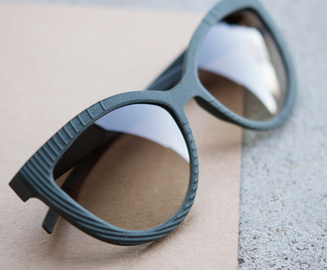
Gucci will launch of a collection of sustainable models. Available in August, the four new styles use an innovative acetate which contains a higher percentage of natural materials. Two colors have been created exclusively for Gucci, flamed Havana with a red or green background, reminiscent of the House’s iconic colors. Also in August, the Gucci Eyeweb collection will include two bio-based sunglasses made from castor-oil seeds.

Fine Eyewear & Eye care in Cedar Park offers Gucci. Fine Eyewear is  located at the three corners of Cedar Park, Austin and Round Rock, TX and a short drive from Georgetown, TX . Some of the local neighborhoods served by Fine Eyewear include Forest Oaks, Silver Oaks, Teravista, Avery Ranch, Stone Canyon, Mayfield Ranch, The Ranch at Brushy Creek, Vista Oaks and Wood Glen – we have an eye doctor close by for you! Come and See us! Visit our main website at www.FineEyewear.net

Diet Poor In Vitamin C Associated With Increased Risk For Cataracts.

Reuters (7/15, Norton) reports that, according to a study published online June 27 in the journal Ophthalmology, seniors whose diets are poor in vitamin C appear to have a higher risk for cataracts. After assessing some 5,600 seniors in India over the age of 60, researchers found that the risk for cataracts was lower in people with greater blood levels of vitamin C. The findings held true even after investigators adjusted for confounding factors. Reuters quoted senior study researcher Astrid E. Fletcher, of the UK’s London School of Hygiene & Tropical Medicine, as saying, “Laboratory and animal studies show vitamin C plays a very important part in defending the lens of the eye against oxidative stress.”


Tips On How To Avoid “Recreational Water Illness.”

The New York Times (7/12, D7, Brody) reports in “Personal Health” that people swimming in pools, lakes, or rivers need to be mindful of “what the Centers for Disease Control and Prevention calls a ‘recreational water illness,’ an infection or irritation caused by germs or chemicals contaminating the water” that may “cause ailments of the ears, eyes, skin, nervous system, gastrointestinal and respiratory tracts, and” infect any cuts or scratches. Surprisingly, “fully 94 percent of the cases resulted from swimming in treated water — pools and the like that were supposed to be sanitized. The usual culprit was a bacterium called Cryptosporidium, which is resistant to chlorine.” The column advised people to wear swim goggles, shower before and after using the pool, and avoid swimming in areas infested with snails or jellyfish.